Menu
Products
Intended use
Service

Product & Technical Services, Tips & Care, Tutorials, Downloads, Declarations of conformity
About us
Meet us
Events

Stories

All about optics


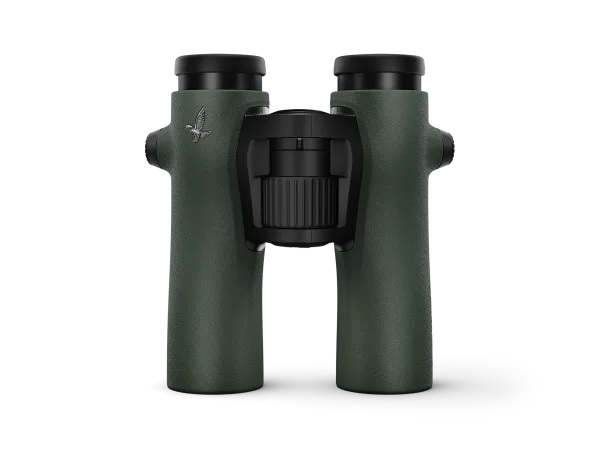
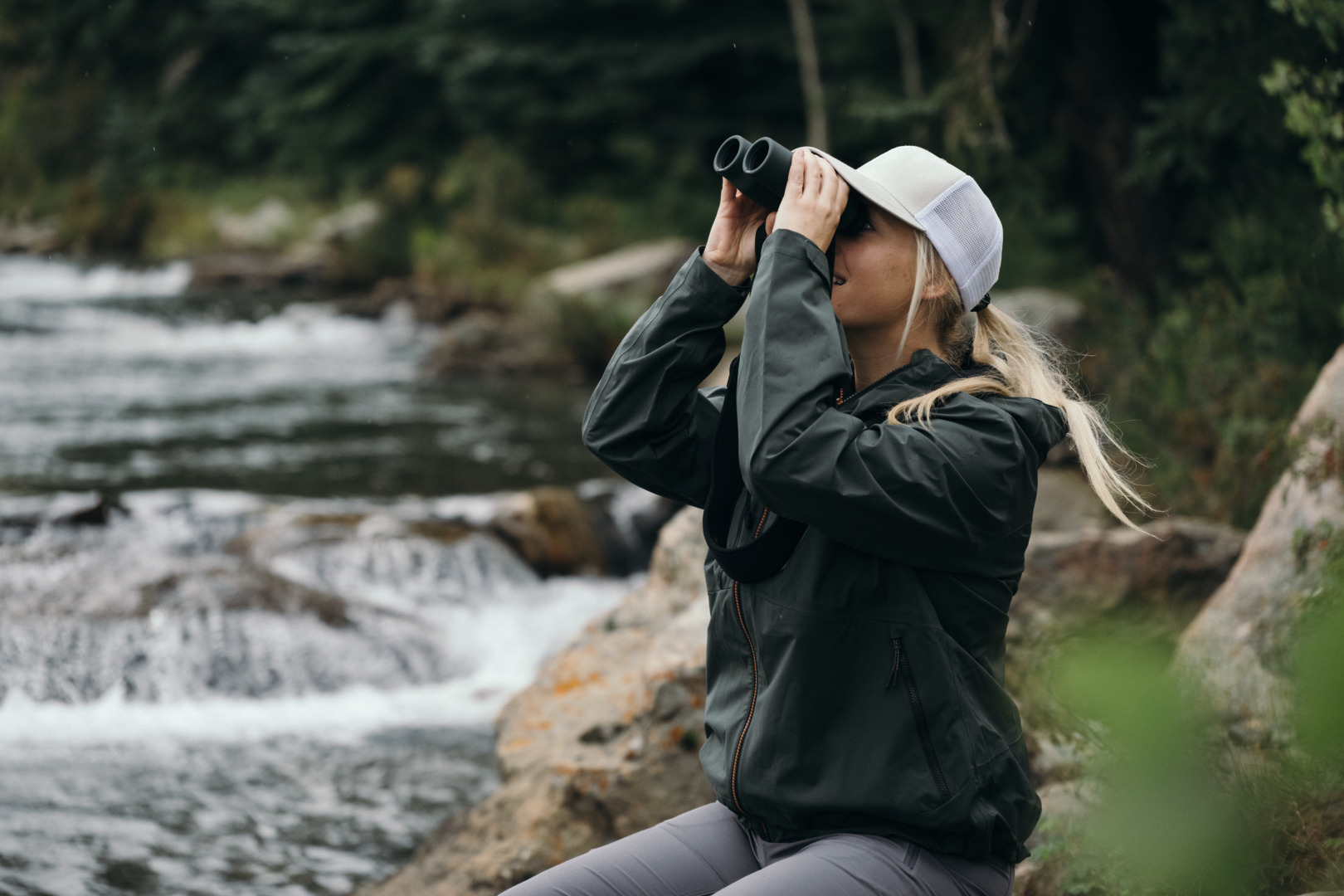
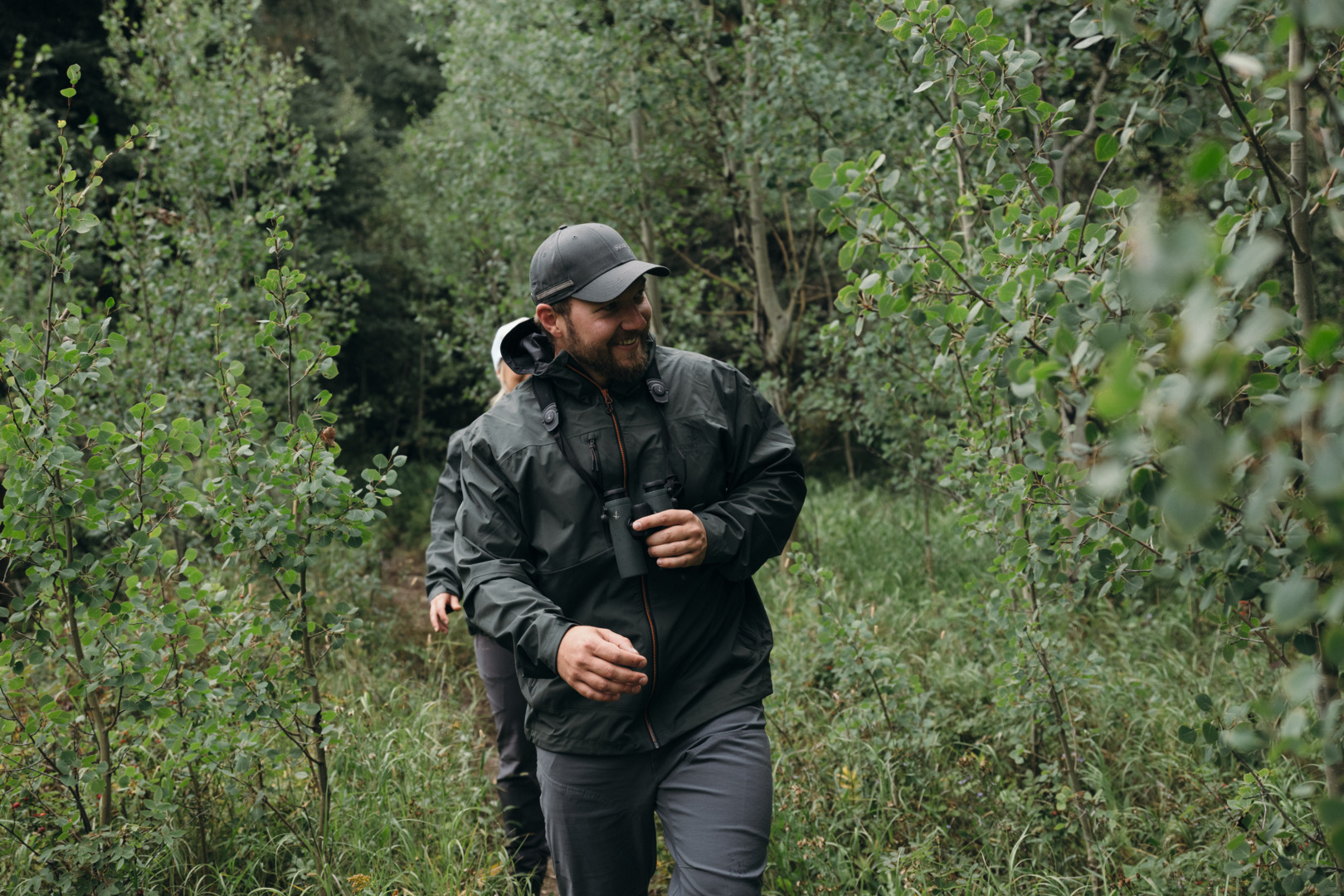
These compact binoculars with rangefinder and Tracking Assistant will accompany you on all your hunting adventures, especially in rough terrain. The EL Range 10x32 is the perfect choice if you are looking for lightweight binoculars that will allow you to identify all the important details.


Please note: Local retailer prices may differ.
 Objective lens diameter
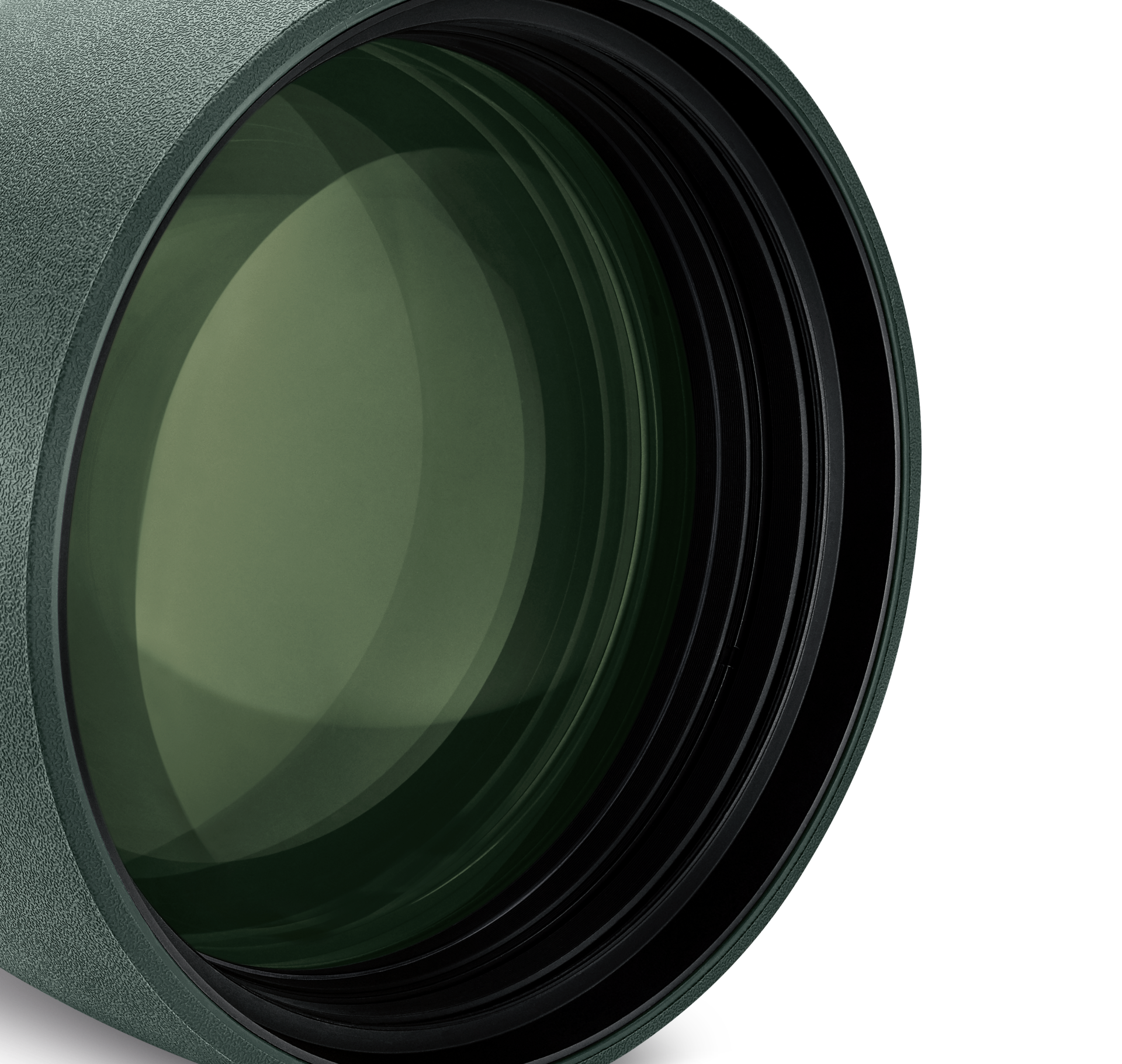
The objective lens diameter specifies how much light can enter the optics. This makes it a key factor in an instrument’s performance, for example, in twilight. The bigger the objective lens diameter, the more light the objective lens can capture. The darker the surroundings, the larger the objective lens diameter needs to be. Check the precise product name as the number after the ‘x’ specifies the objective lens diameter in millimeters. For example, a device with the suffix 10x42 has an objective lens with a diameter of 42 mm.
 Magnification
The magnification specifies the factor by which an object appears to be closer in comparison with the actual distance. The higher the magnification, the closer the object seems to be. However, a higher magnification also means a smaller field of view. Check the precise product name as the number in front of the ‘x’ specifies the magnification. For example, 10x42 is a device with 10x magnification.
 Field of view
The field of view describes the size of the image section that can be seen through the optics. This is specified either in meters (width) at a distance of 1000 meters (m/1000m), or feet (width) at a distance of 1000 yards (ft/1000 yds), or as an angle (degrees). The higher the magnification, the smaller the field of view.
Binoculars have a large field of view, which means you can see a wide area. Spotting scopes have a higher magnification, which makes the field of view much smaller, but you can see more detail.
Objective lens diameterThe objective lens diameter specifies how much light can enter the optics. This makes it a key factor in an instrument’s performance, for example, in twilight. The bigger the objective lens diameter, the more light the objective lens can capture. The darker the surroundings, the larger the objective lens diameter needs to be. Check the precise product name as the number after the ‘x’ specifies the objective lens diameter in millimeters. For example, a device with the suffix 10x42 has an objective lens with a diameter of 42 mm.
 Shortest focusing distance
The shortest focusing distance specifies how close an object needs to be to see it clearly with the optics. Between this value and infinity, it is possible to focus the image.
Compact binoculars with Tracking Assistant
Innovatively light: 680 grams (24 oz)
With range and angle measurement
Customizable in the Hunting app
Suitable for left- and right-handed users
Tracking Assistant
The integrated Tracking Assistant makes it far easier to track your prey. It guides you to the area where you fired your last shot. You can opt to use this program via your phone or your EL Range.
 EL Range 10x32
Outstanding quality, easy to use, an Austrian product with a long tradition.
I am very satisfied with the optical quality and features of my binoculars. I did not give them a 10 because I am left-handed and the shutter button is on the right side, which is inconvenient because I carry my weapon with my right hand and use my binoculars with my left hand.
WTF is it with the bino rubber armouring that is falling apart with time? You must have known this all along. Geez.
The objective covers are a terrible design. They keep falling off. Once one of the covers falls off once, it can never go back on tight enough to stay in place.
Customer ServiceMon - Fri 8:30 AM - 7:00 PM EST(800) 426-3089info-us@swarovskioptik.com