







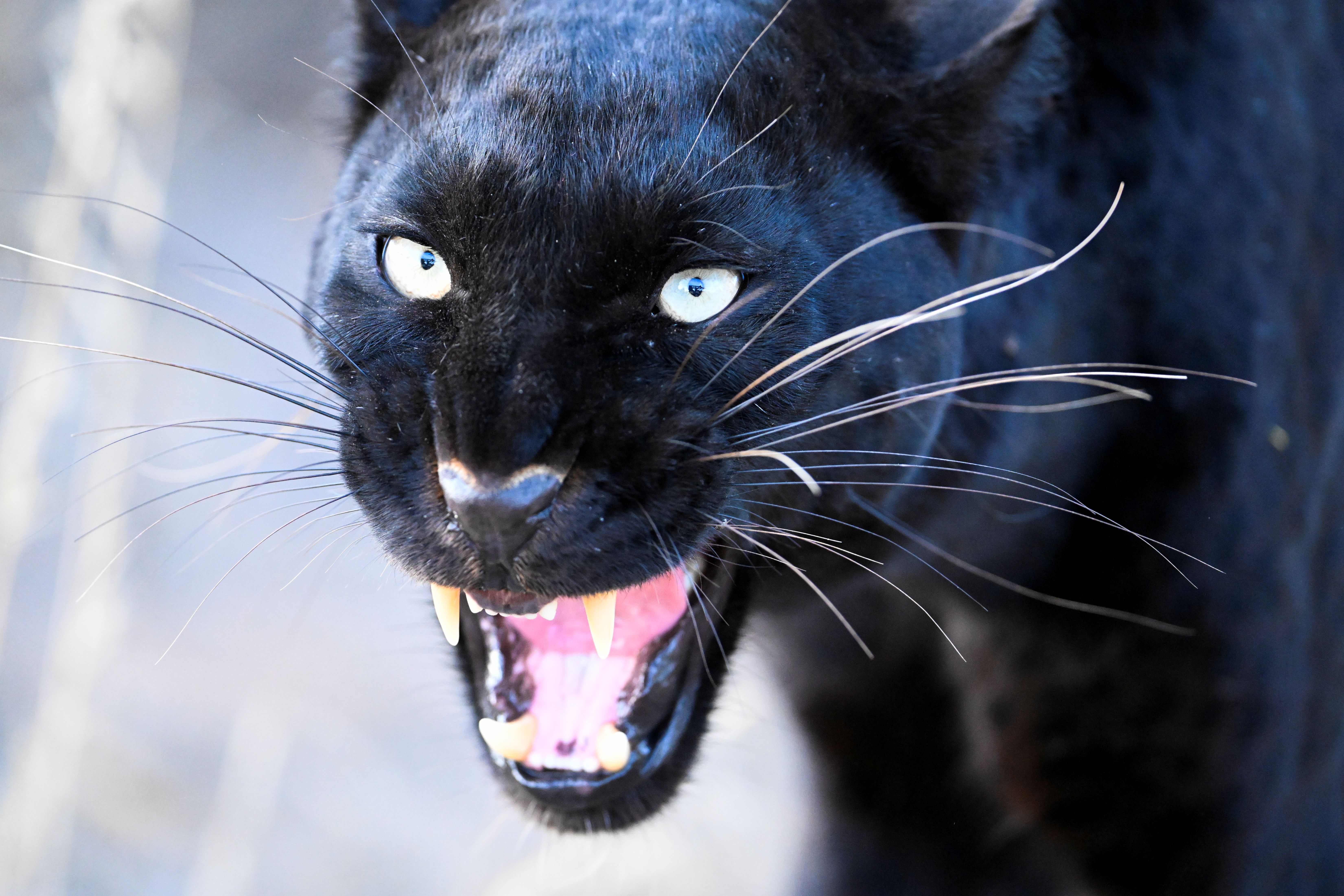
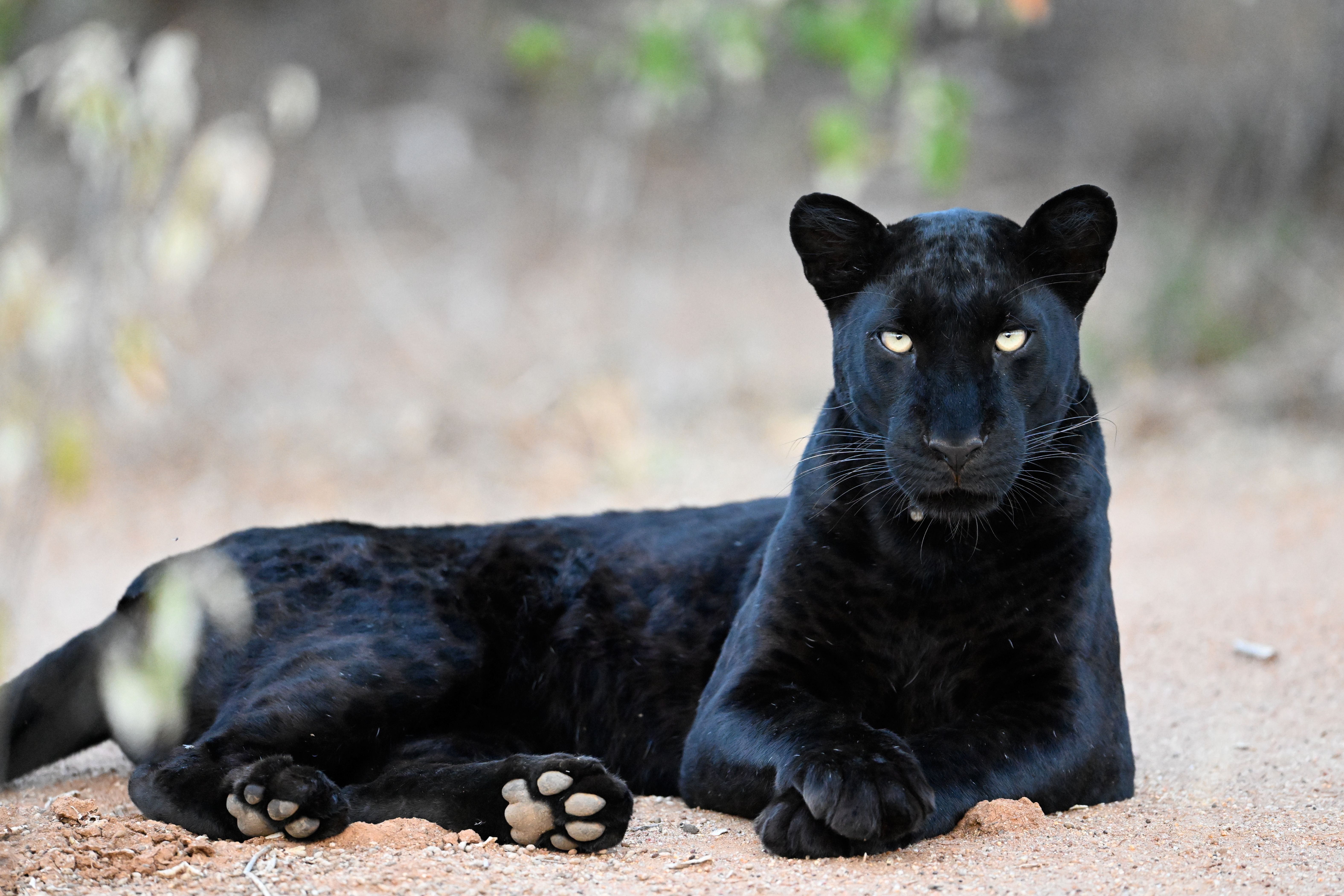
In 2023, my father and I travelled to Laikipia, Kenya, for the first time, a place that had captured our imagination for years. There were rumors of a “black leopard female” moving through these hills, a shadow slipping between dense bush and rocky escarpments. The local guides called her Giza, which means darkness. And in many ways, she felt like a myth.
For years, we had tried to photograph a melanistic leopard. We once came painfully close in Kabini, India, in 2019, only to miss him by five minutes. Since then, the idea of finally seeing one had become something personal, something that stayed with us. A dream, a challenge, a quest.
The First Sighting
It finally happened at night. We saw a brief movement and suddenly there she was, lying down, relaxed, flicking flies from her face. Under the spotlight and through the binoculars, I could clearly see her rosettes beneath the dark coat. On safari, especially at night, binoculars become essential for wildlife spotting, they allow you to observe predators from a distance without disturbing their behavior. A surreal moment. My heartbeat drowned out everything else. It lasted only a few seconds, but it has stayed with me ever since. That first glimpse of Giza felt like touching something many people spend a lifetime searching for.
Return Trips Over Several Years
We returned later in 2023, again in 2025, and once more in 2026. Every trip brought different light and different moods: night sightings, golden-hour silhouettes and encounters in the midday heat. Giza was never fully predictable. She moved like a shadow, always aware, always elegant.
One moment I will never forget was when we spotted her on the far side of the river. Our guide, Mugambi, whose field knowledge deserves the highest appreciation, suggested we wait quietly. This stretch of the riverbank was her primary hunting ground, and he predicted she would cross eventually.
When she finally rose, she paused long enough to assess the rocks in the water, then she leapt. I tracked her jump handheld with my 600 mm prime lens. It felt smooth and intuitive, but at that focal length the risk of missing by a few centimeters is high. When I checked the screen, I could hardly believe it. She was perfectly framed mid-air. Probably one of my best-timed shots ever.

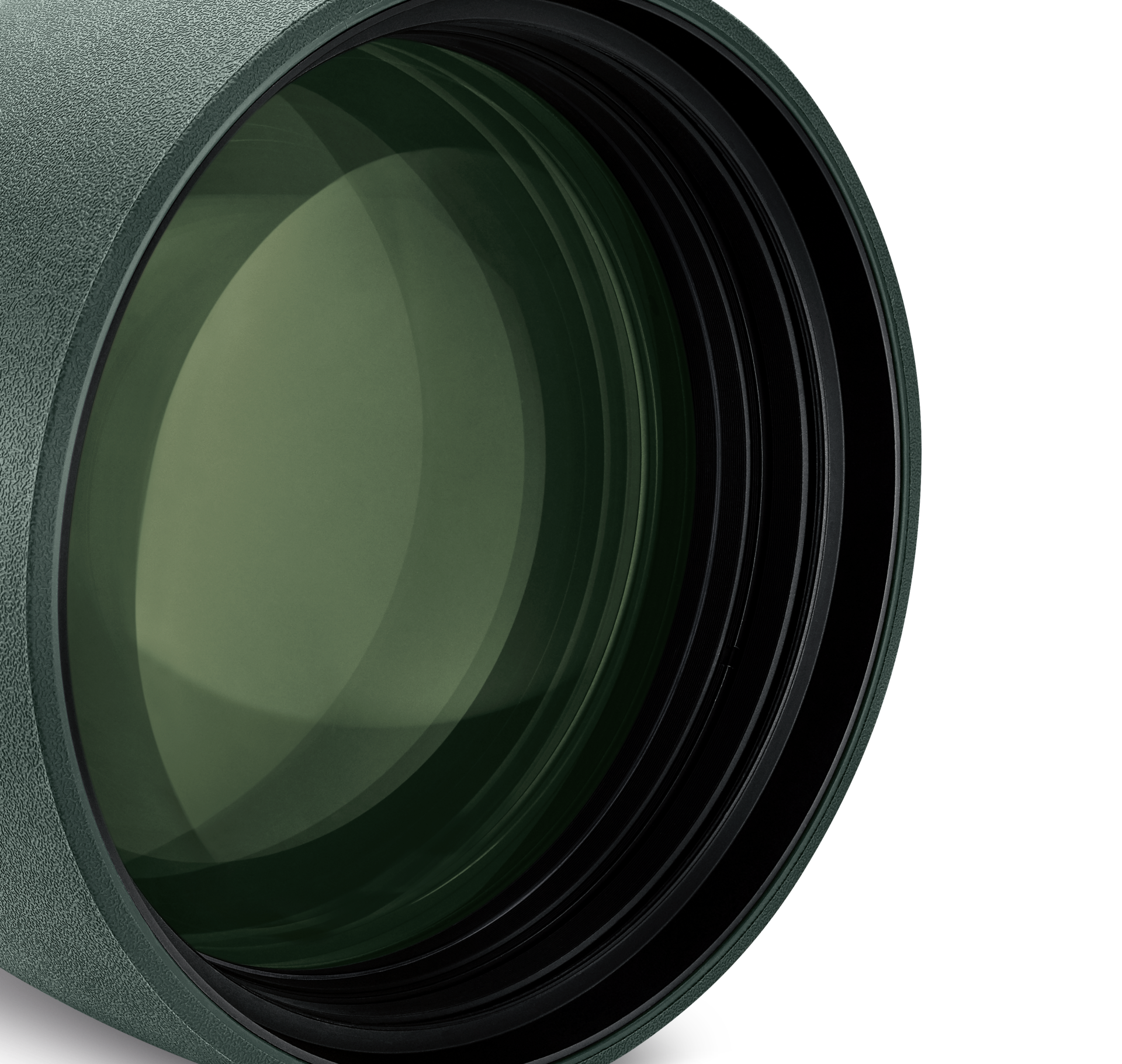
Anyone spending time on safari learns quickly that understanding predator behavior comes from observation first, photography second. That is where the NL Pure became invaluable. It helped us scan hillsides, read subtle movements, understand patterns, listen for sounds, and anticipate her next steps.
Years of Encounters
Over time, we collected moments rather than sightings.
Giza with Dik-dik and Impala kills.
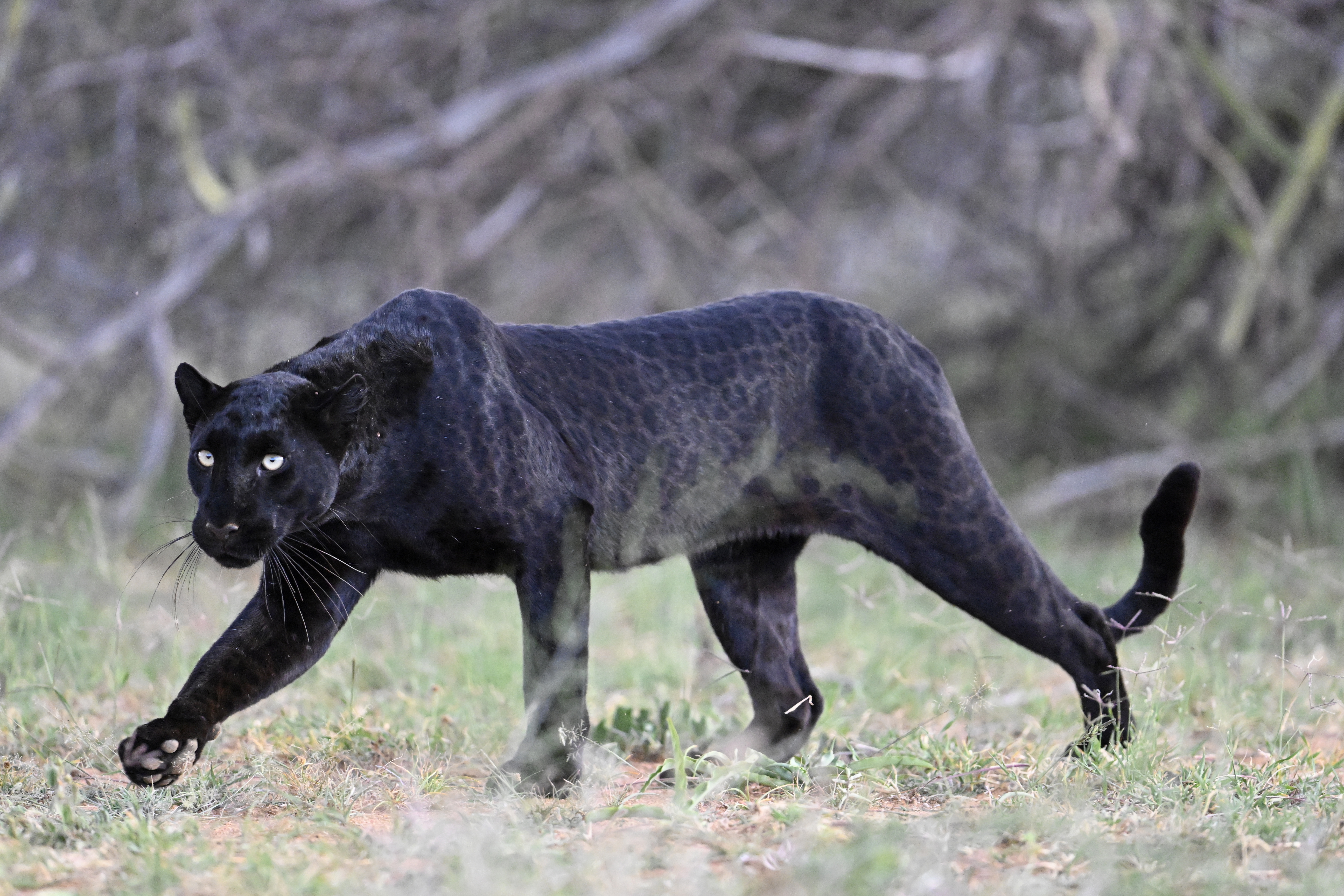
Giza walking straight towards our safari vehicle.
Giza staring straight into the camera at dusk.
Giza resting on a tree.
Silent, composed, mysterious.
It became a long-term observation project, not a quest for a single shot.
The Greatest Surprise: Her Cubs
At the end of 2024, rumors spread that Giza had cubs. We immediately started planning our next trip, knowing that at around six to eight months, young leopards often begin to appear close to their mother’s hunting grounds.
In 2025 we returned full of hope, but she kept the cubs well hidden on a neighboring property and only crossed into her usual hunting area for short periods. We had some beautiful sightings, but no cubs. Word was that they were both golden-coated, one male and one female. A melanistic mother raising two normal-colored cubs. The rarity of that was almost hard to process.
So we planned another trip in early 2026. Many people ask what equipment really matters on safari in places like Laikipia and over time I have learned that binoculars are often more important than the camera when it comes to scouting and finding wildlife across vast distances.
This time, luck was on our side.
We saw Giza with both of her cubs. Each behaved differently. The daughter stayed close, receiving gentle, almost affectionate behavior. The son, more confident, was met with growls and small warnings. He was pushing boundaries. Within a few weeks, their paths would likely separate.
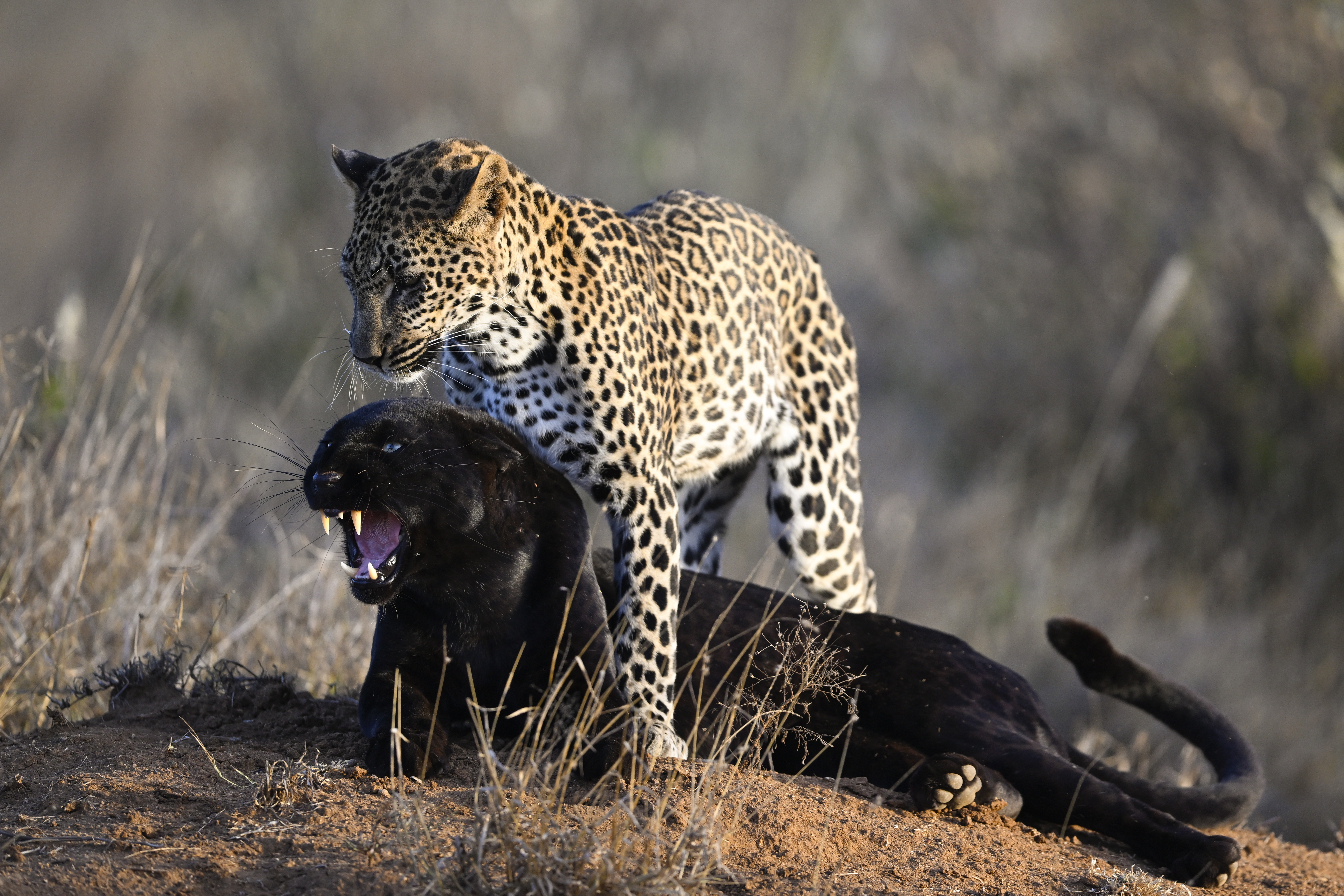
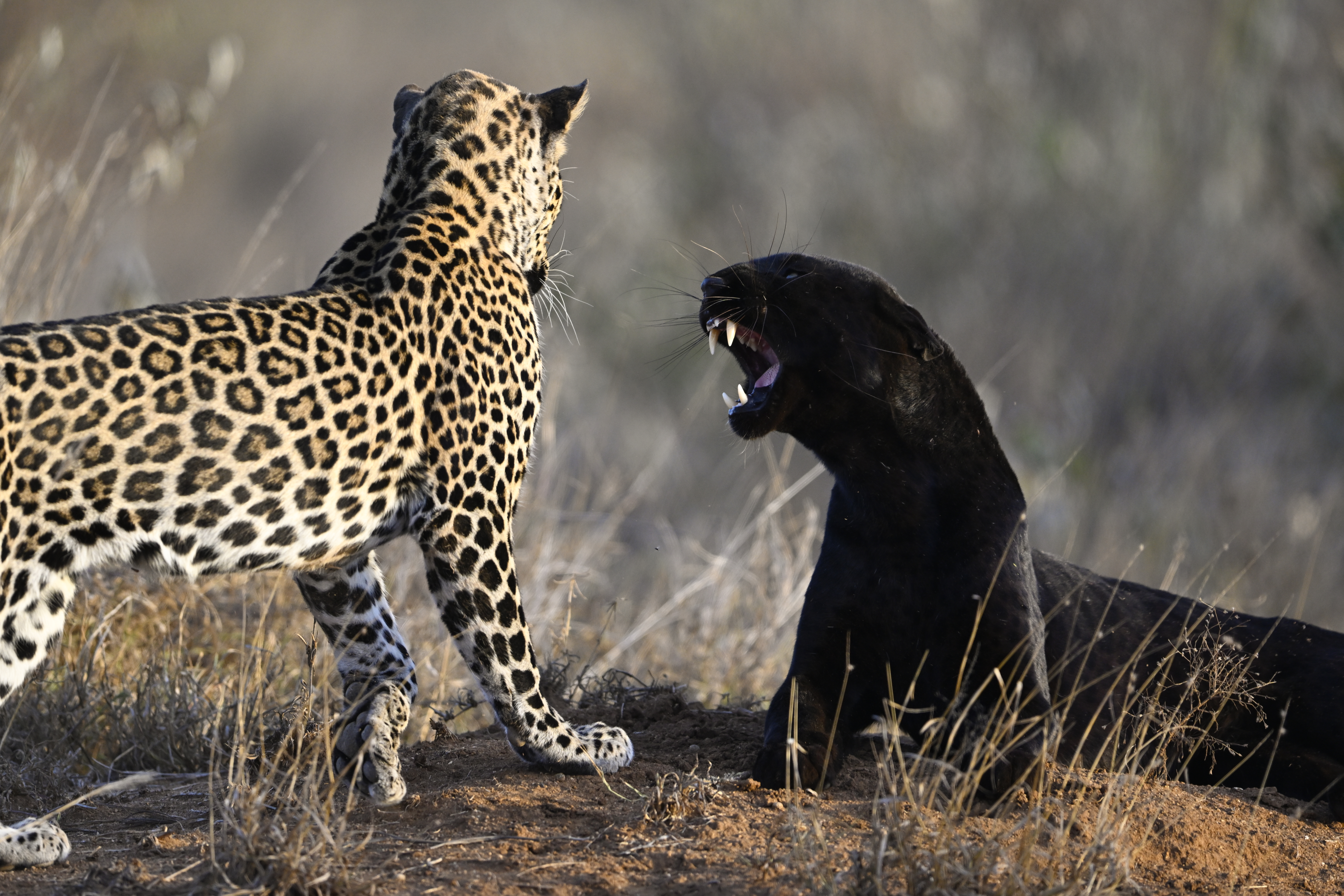
Seeing black and gold together in the same frame, understanding how extraordinary that moment was, felt indescribably rewarding.
Why This Story Matters To Me
Capturing a melanistic leopard had been a dream ever since the missed chance in India. Achieving it years later in northern Kenya felt like a personal milestone. But the real magic was the journey itself: patience, unpredictability, and the privilege of witnessing natural behavior unfold.
What I love most about nature is that you never know what the day will bring. You go out optimistic, grateful, and open to anything. The most special moments are the ones you do not chase; they simply happen.
Sharing these moments with my father, who first introduced me to photography and still travels with me on so many adventures, makes them even more meaningful. My mother has been a constant pillar on these journeys too. She has joined us on almost every trip over the years and has supported this passion from the very beginning. And now my fiancée is part of these stories as well. Photography has been in my family for three generations, and experiences like this feel deeply personal and grounding.
There is so much to learn from nature. It is humbling. From watching wild dogs take care of a sick pack member by hunting and returning to feed him, to standing on open horizons with no buildings and no power lines. It quiets the mind. It pulls you away from the noise of fast-paced city life and constant screens. It reminds you who you are and where we all come from.
Safari, for me, is not a checklist.
It is long-term observation.
It is respecting the rhythm of the land.
It is seeing the unseen, whether through a camera or through a pair of binoculars.
How Optics Shape Field Observation
When it comes to safari equipment, binoculars are often the most underestimated tool, yet the one I use the most. The NL Pure was always with me. Not as gear to show, but as a tool that shaped the way we understood Giza.


We used it to detect distant movements, read behavior before lifting the Nikon, scan terrain along escarpments and ensure we kept a safe and non-intrusive distance when cubs were present. It allowed us to observe quietly, without disturbing her.
Digiscoping helped capture fleeting moments before the big camera came out, not as final material but as a way to document behavior exactly as it unfolded.
Safari and Conservation in Laikipia
Laikipia is one of Kenya’s most important conservation landscapes, where safari tourism, land management, and wildlife protection are closely connected. It’s home to several incredibly rare species, including the reticulated giraffes, Grevy’s zebra, and the elusive striped hyena among them.Laikipia Wilderness Camp manages vehicle numbers carefully, uses red filters on spotlights during night drives, and works closely with landowners and rangers to minimize disturbance and protect the wildlife that depends on this ecosystem.Giza’s survival, and now her success as a mother, is a symbol of what healthy ecosystems and responsible management can achieve.
Guides like Mugambi play a crucial role. They position photographers without putting pressure on wildlife, read behavior with incredible accuracy and often foresee what will happen minutes before it does, such as that river crossing. Their skill deserves deep recognition.
What These Years Have Changed For Me
After several trips, I now know the area and many of its animals well, yet every single day out there still feels new. That is what keeps pulling me back.
Safari is not one moment. It is a slow process.
Patience, observation and respect.
And in those quiet hours of scanning a valley or waiting in complete stillness, you realize the truth behind a sentence that has stayed with me:
Only when you slow down, will you truly see.

Alexander Ley
Alexander Ley is a wildlife photographer and explorer from Germany, capturing rare encounters across more than 50 countries. As a third-generation photographer, he continues his family’s passion for documenting wildlife with patience, respect, and long-term storytelling. His work focuses on intimate animal behavior, conservation, and the emotional experience of observing nature as it unfolds.