




After what always feels like a long winter, signs of spring here on Shetland are slow and subtle. As our wintering species begin to depart, and the first of our breeding birds start to return, the first stirrings of spring feel special. For me, one of the early inspirations to remind me of the wonderful, song filled days to come is when I first hear the beautiful voice of the Skylark, not to mention our hardy and endemic subspecies of Wren.

Nature reawakens
The transformation of species and the landscape feels like it lasts an age but by April, having been all but deserted for months, our coastlines are raucous with the hustle and bustle of the seabirds’ courtship, whilst our uplands are alive with the song of the moorland breeders.
As a naturalist, studying the amazing diversity of breeding species as they claim their territory, strengthen their pair bonds, and prepare to raise their young is motivation to be out as long as the northern sun shines.

Magic
migration
Be it a wader on the shore, a warbler in a garden or a raptor soaring overhead, on a remote archipelago like Shetland you know that the next bird you see could so easily be something completely out of the ordinary.
Eurasian Curlew (Numenius arquata)
Although there some amazing species that can reach us from as far as Asia or North America, it can be our breeding species that make the most epic of journeys, and impress me the most. Unlike the vagrants and rarities that can blow our minds with a surprise appearance, these masters of migration know where they are going, how and when. Arctic Terns for example undertake an incredible 22,000-mile round trip to spend their winter in Antarctica. Smaller still, our dainty Red-necked Phalarope, once thought to winter in the Arabian Sea, was recently discovered to winter in the Pacific Ocean!


Transforming every sighting into a spectacle
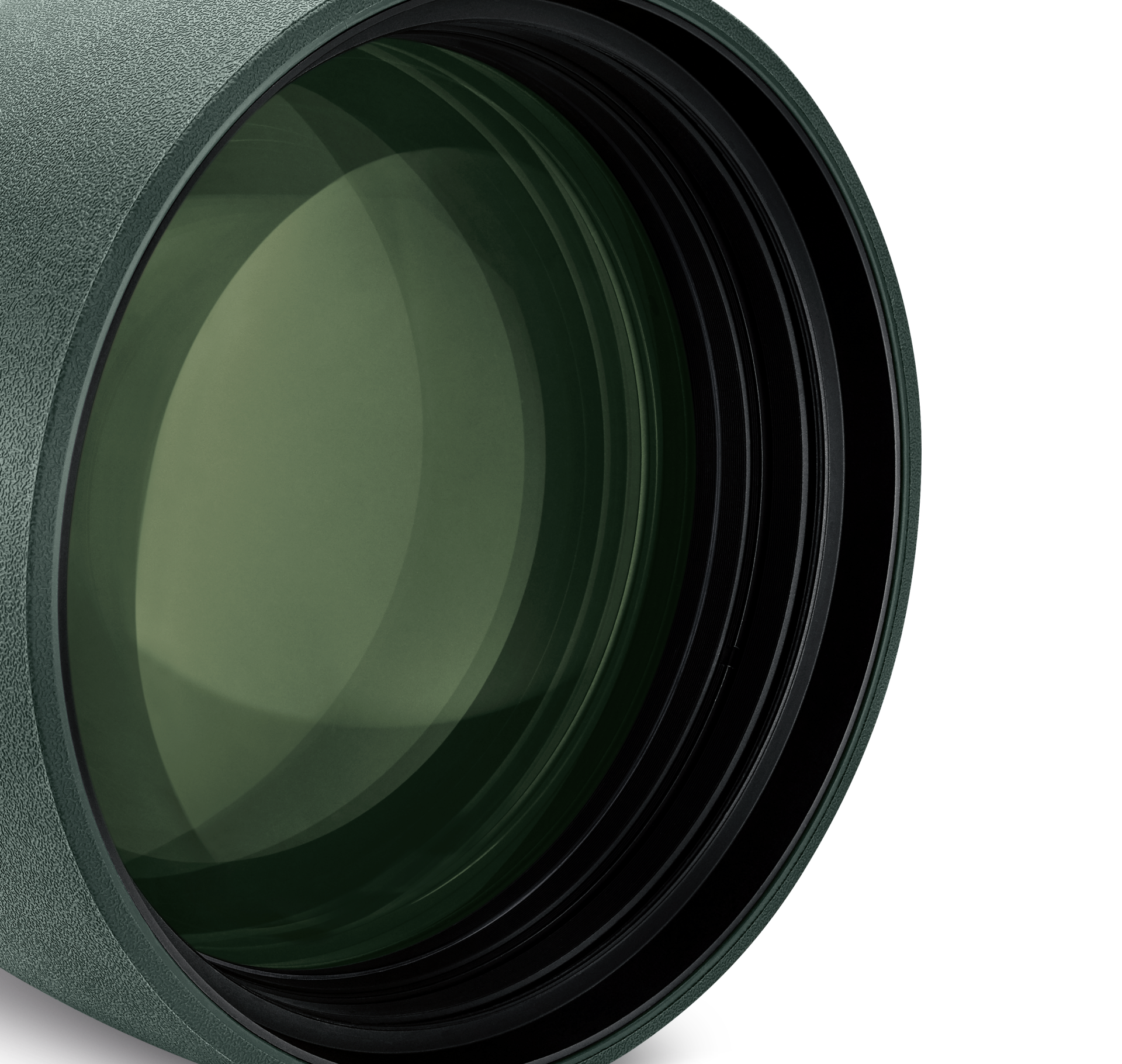
Observation, detail, and quality is everything for me when in the field. Whether I need identification detail of a distant duck or diver as a birder, monitor breeding behaviour as an ornithological surveyor or show clients on their wildlife holidays an Otter or offshore pod of Orca, I need my scope to bring every sighting into a spectacle, an experience that brings nature to life. This scope does more than this on every level.

About the author:
Brydon Thomason
is naturalist consultant, photographer, guide and birder. With a lifetime of knowledge of his Shetland Islands homeland he owns and operates Shetland Nature, a wildlife tour company that celebrates the archipelagos rich natural and cultural heritage. He has worked as a media consultant, and appeared on numerous television productions about the islands wildlife, particularly the islands otters, his life’s passion. He co-authored the acclaimed book 'Otters in Shetland- the tale of the draatsi' sharing the lives, ecology and behaviour of one of Europe’s most charismatic mammals. He also works as an ornithological and ecological surveyor and consultant.


