







(c) Lana Legochina
What makes a women’s birding club so special? For Anna Schneider and Gina Coorevits, it all started with a shared passion for birds and a desire to connect with other women who felt the same. That idea grew into Dé Duifkes, a welcoming birding community and club built around learning, friendship, and a love of nature. Their story shows why more women are discovering birdwatching as a hobby and how a supportive community can open the door to new experiences, knowledge, and confidence.
Why a Women’s Birding Club Is About More Than Birdwatching
Many people discover birding through a love of nature. Others are looking for a slower pace of life, a new hobby, or a community of like-minded people. That is exactly where a women’s birding club can make a difference. The founders of Dé Duifkes wanted to create a space where curiosity matters more than expertise. A place where beginners feel just as welcome as experienced birders.

Women’s Birding Club
How did the idea for Dé Duifkes begin?
Anna: “The Birding Community didn’t always feel especially accessible to women. We wanted to create an environment where women feel comfortable asking questions, making mistakes, sharing knowledge, and most importantly, being themselves.”
For many women in birding, that was the key difference. From the beginning, the focus was on learning together rather than competing.
How did you get into birding?
Anna: “I didn’t grow up around nature or birds at all. I was a real city person.”
In her early twenties, she began paying closer attention to the natural world around her. What started as a few observations quickly grew into a lasting passion.
Anna: “The more I started watching birds, the more I realized that a walk was never just a walk anymore.”
Many people experience something similar when they discover birdwatching as a hobby. Suddenly, bird songs, movement patterns, and behaviors become visible in ways they never were before.
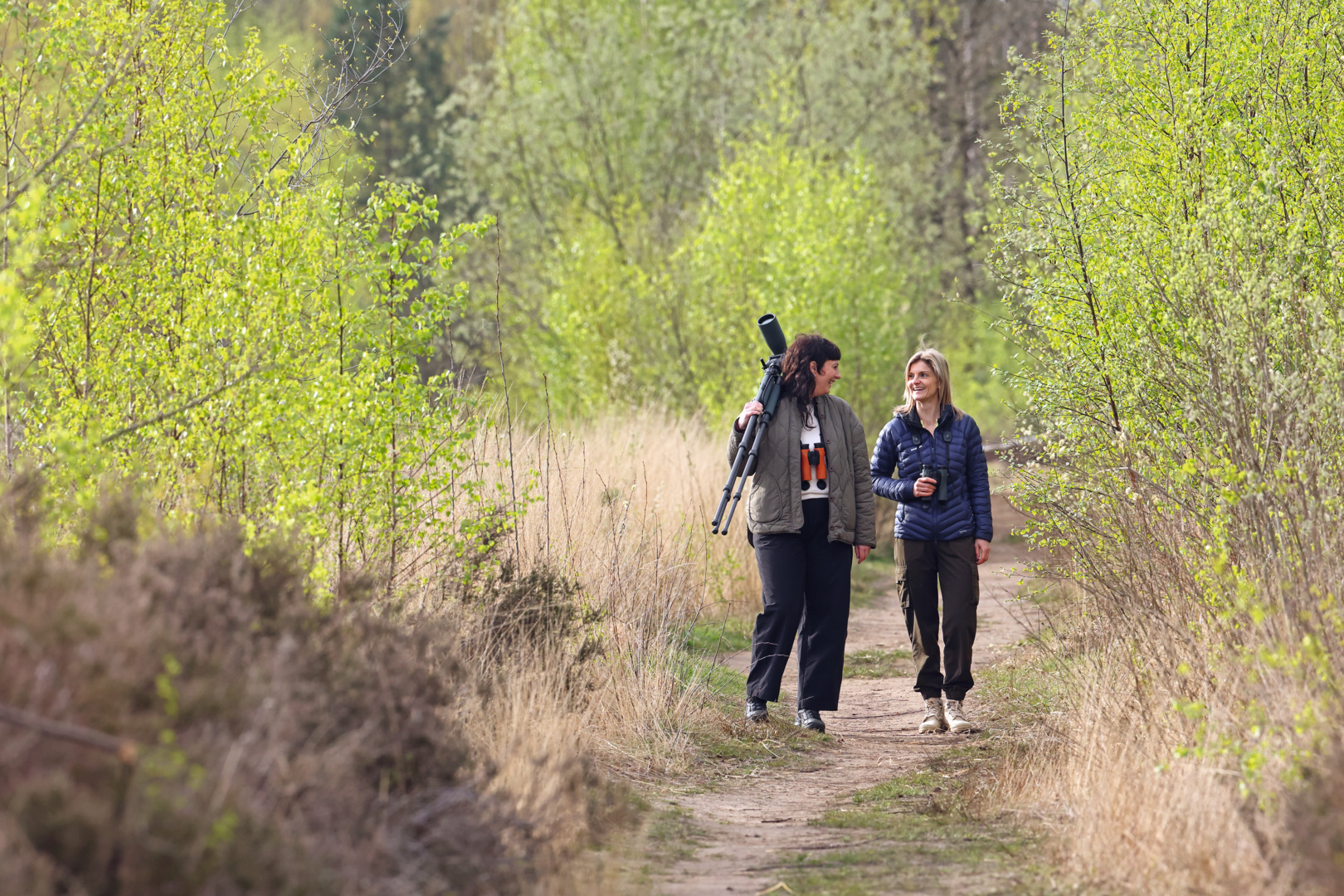
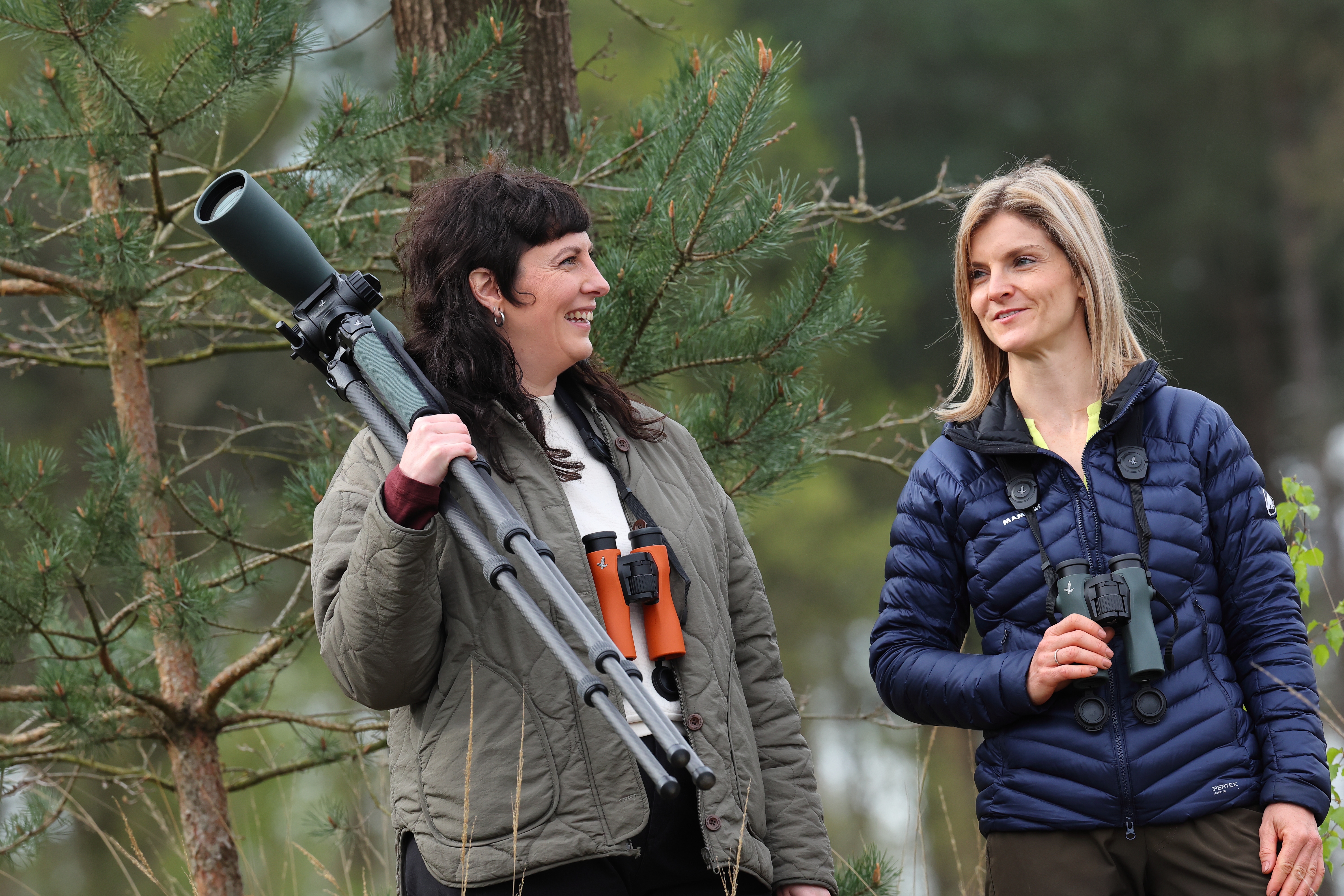
One of the biggest successes of Dé Duifkes is its strong sense of community.
Q: What did you want to create for other women?
Anna: “A place where you don’t have to prove that you know everything about birds.”
Within the Dé Duifkes birding community, members are encouraged to:
Be beginners
Ask questions
Share experiences
Learn from one another
Enjoy nature together
For many women, this creates an easy and welcoming entry point into birding.
Q: Gina, how did your journey begin?
Gina: “While studying business, I often sat by the window watching the garden birds my mom generously fed. It was a fluttering spectacle and, honestly, much more exciting than my textbooks.”
Curiosity quickly turned into enthusiasm. Enthusiasm soon became action. Gina began volunteering at a wildlife rehabilitation center, where she encountered an incredible variety of bird species and discovered the wider world of birding. When she stumbled upon Dé Duifkes, she knew she had found the community she had been looking for.
Gina: “We connected instantly, and the idea of going on birding trips with a group of women of different age sounded incredibly exciting to me.”
A women’s birding club offers much more than outdoor experiences. With every observation comes new knowledge. With every outing comes greater self-confidence.
Anna: “I’ve experienced firsthand how empowering it is to realize that you understand and recognize ever more.”
At the same time, birding creates opportunities for friendship and belonging.
Anna: “When people watch a bird together, it doesn’t matter who they are or where they come from. In that moment, they simply share the same curiosity.”
That shared curiosity lies at the heart of every strong birding community.
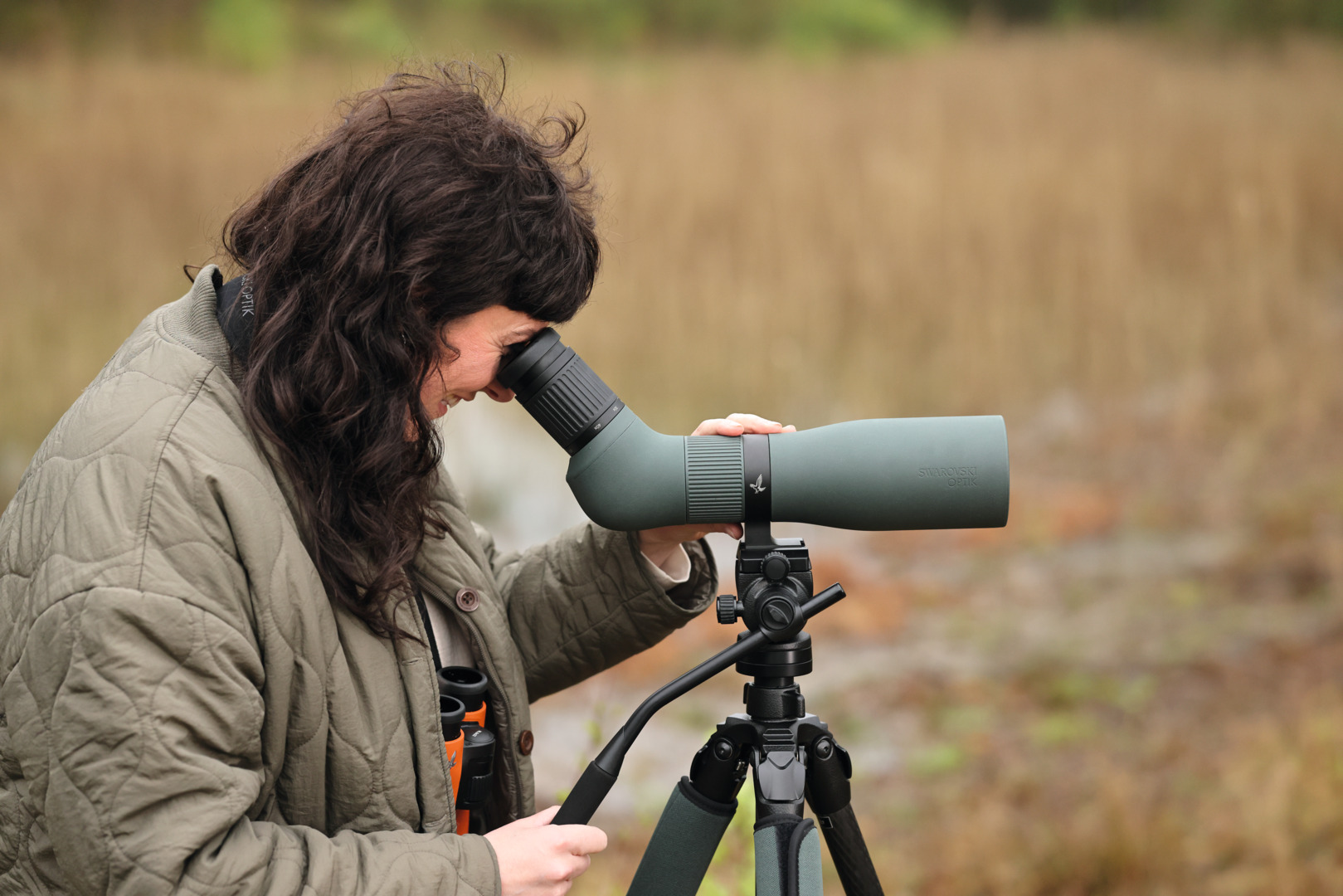
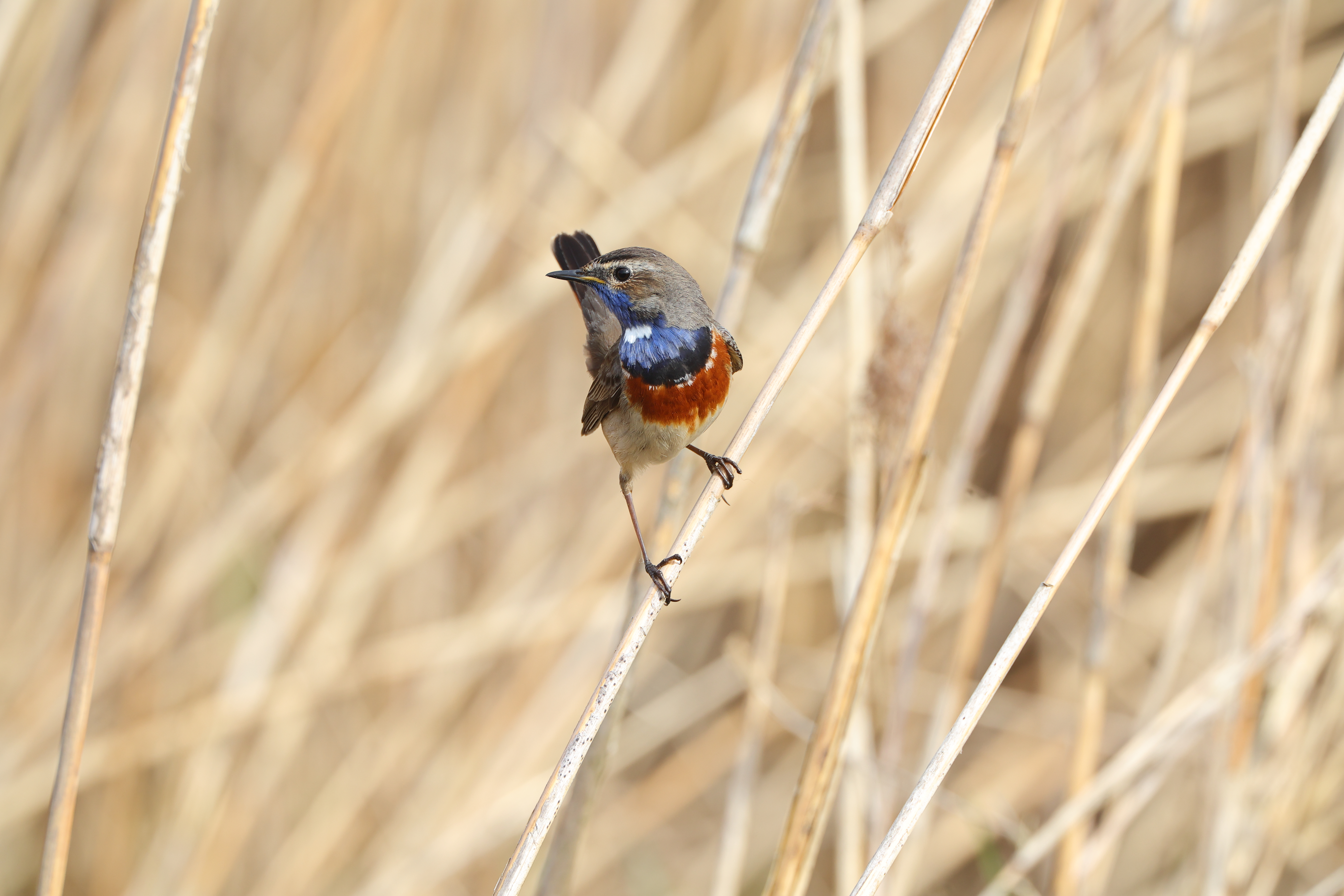
Why a Spotting Scope Can Enhance Birdwatching
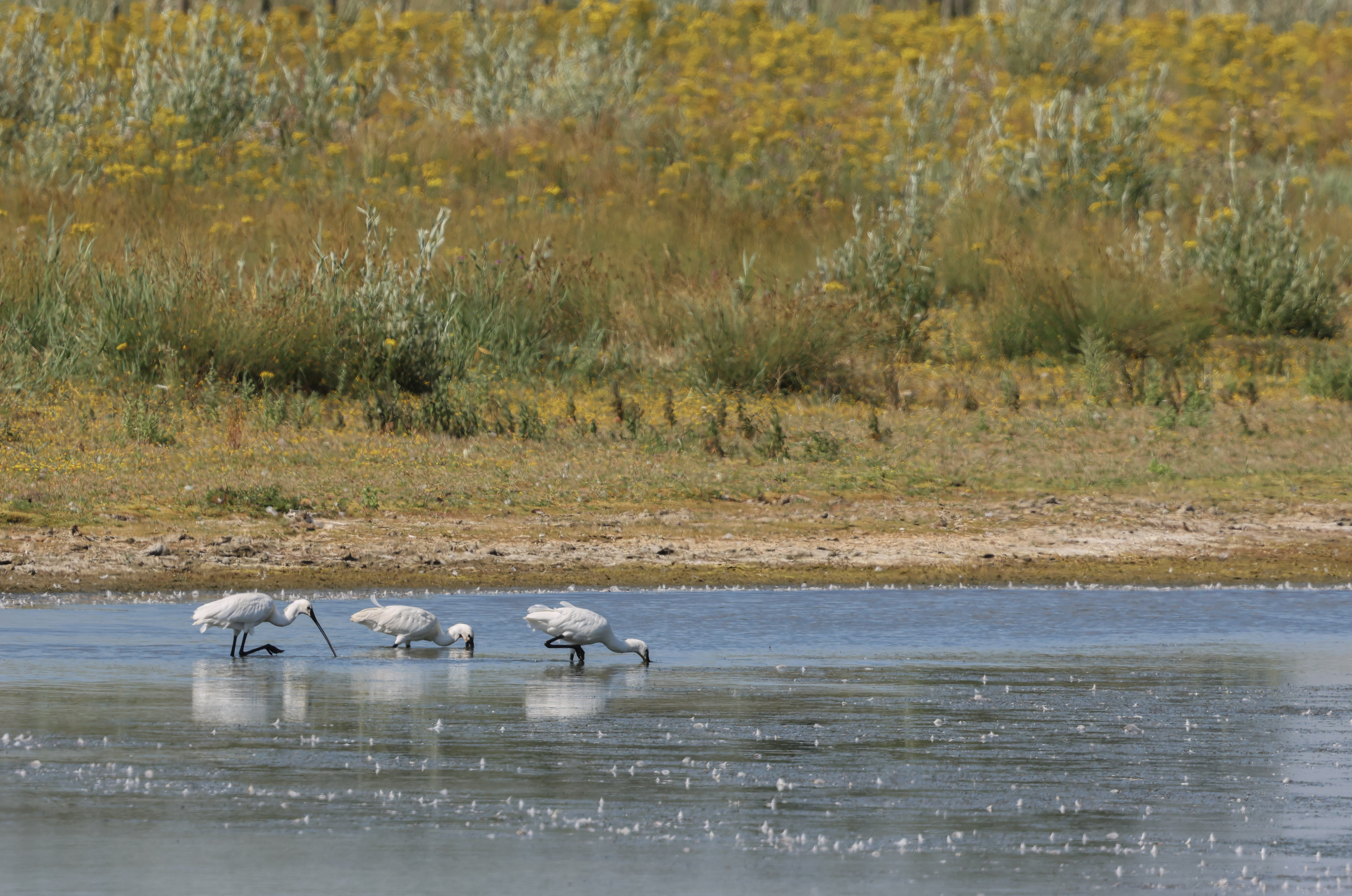
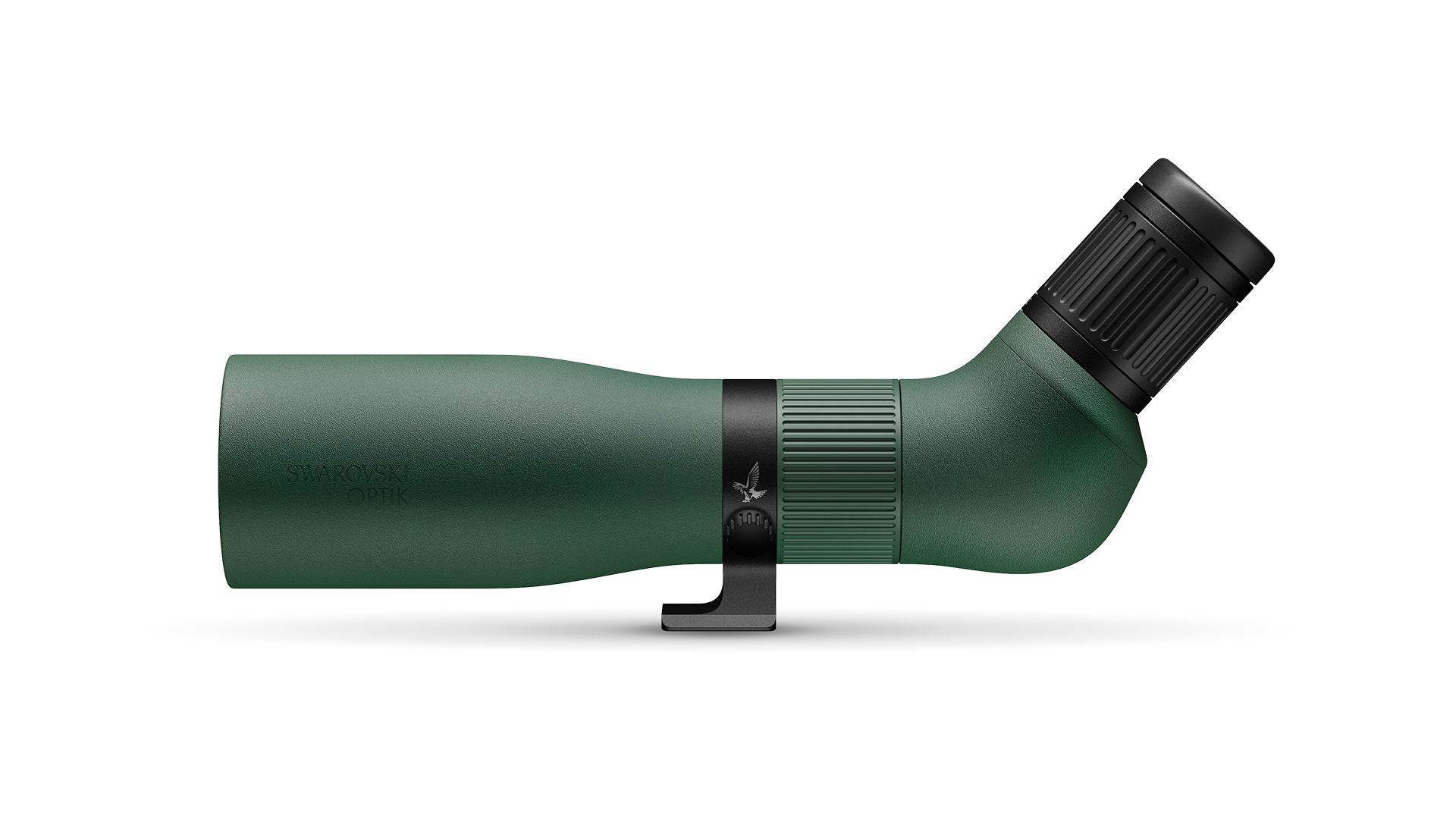
For many people, a pair of binoculars is the perfect way to start birding. Those who spend more time in the field or want to observe birds at greater distances can benefit from a spotting scope for birdwatching. A spotting scope is particularly valuable in group settings because it allows multiple people to enjoy the same observation. Benefits include:
Viewing distant birds in greater detail
Identifying subtle plumage features
Sharing sightings with others
Enhancing guided birding outings
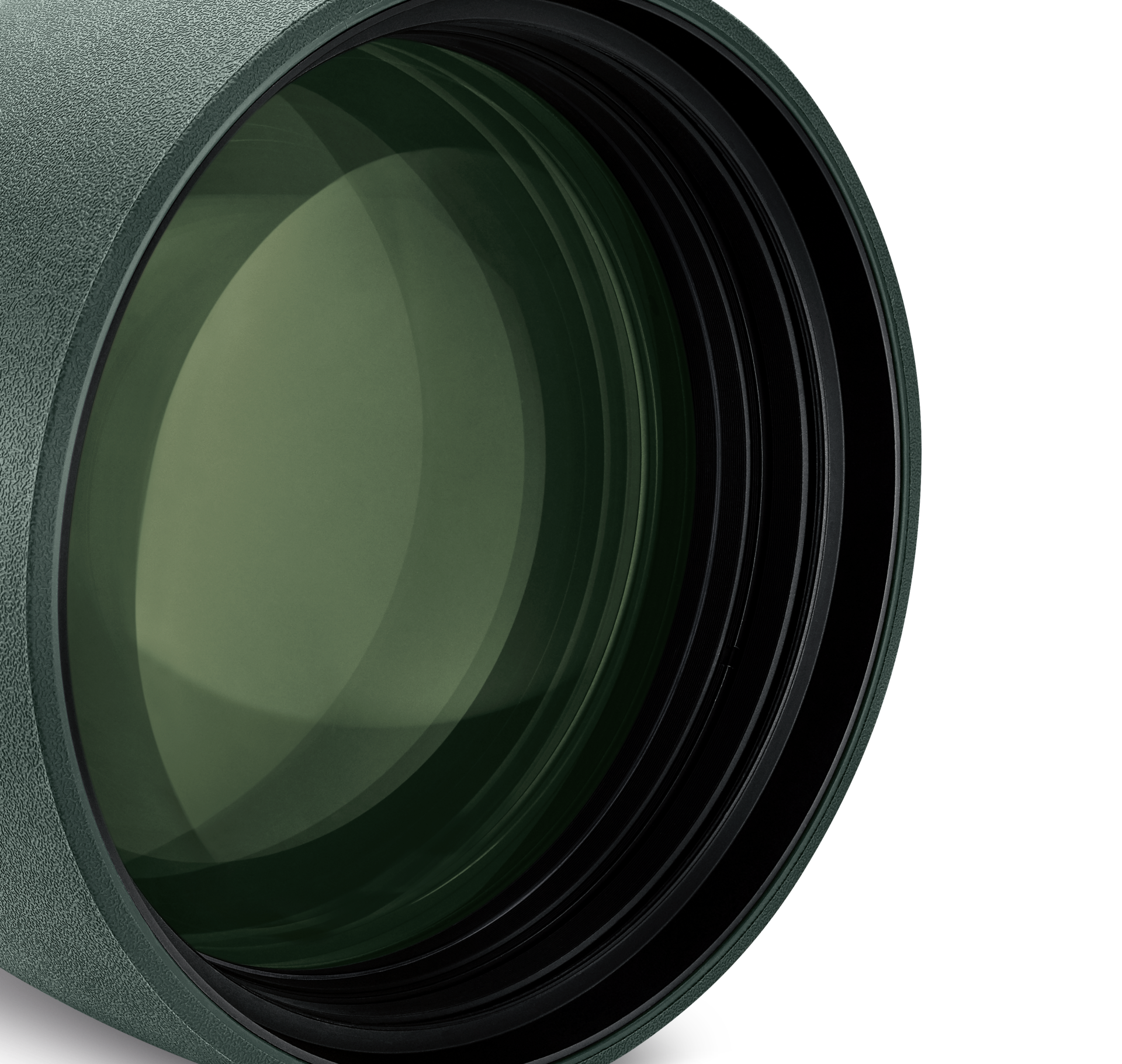
This is where the AT Endura spotting scope comes in. It helps birders experience wildlife in greater detail and makes it easier to share memorable sightings with fellow enthusiasts. In any birding community, there is something special about seeing the same bird and sharing the excitement together.
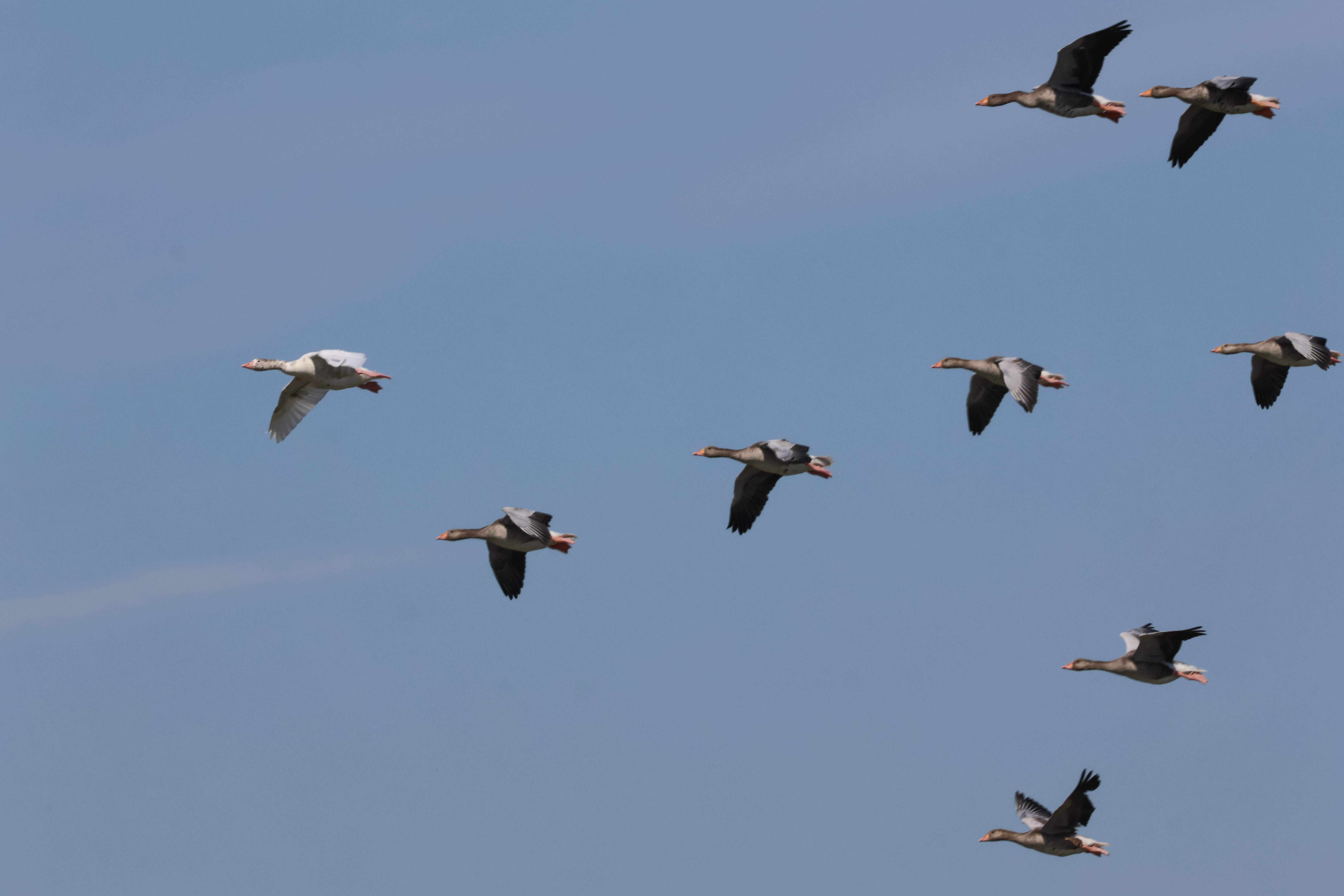
(c) Lana Legochina
5 Simple Steps
Watch the birds in your backyard, local park, or neighborhood.
Use a pair of binoculars or borrow one if you are just getting started.
Learn to identify common bird species.
Connect with other birders and ask questions.
Join a local birding group or a women’s birding club.
Anna and Gina offer one simple piece of advice:
“You don’t have to be a birder before you start birding. Once you begin, you’ll become a birder naturally.”
A women’s birding club brings together women who share an interest in birdwatching, nature, and learning from one another.
Yes. Birdwatching is accessible to everyone and requires little more than curiosity, time outdoors, and a willingness to observe.
Diversity strengthens every community. Groups like Dé Duifkes create welcoming opportunities for women while encouraging meaningful connections among people who share a passion for nature.
No. Binoculars are enough for most beginners. A spotting scope becomes valuable when observing birds at longer distances or in open habitats.
Conclusion
The women’s birding club Dé Duifkes demonstrates how a simple idea can grow into a thriving community. The stories of Anna Schneider and Gina Coorevits show that birdwatching as a hobby is not about expertise. It is about curiosity, openness, and shared experiences.
When people spend time in nature together, they often discover more than birds. They find connection, confidence, and a community where they truly belong. And with the right equipment, such as the AT Endura spotting scope, those moments become even more memorable and easier to share with others.