Menu
Products
Intended use


Service

Product & Technical Services, Tips & Care, Tutorials, Downloads, Declarations of conformity
About us

Meet us

Events

Stories

All about optics

- Austria
- Belgium
- Bulgaria
- Canada
- Croatia
- Denmark
- Estonia
- Finland
- France
- Germany
- Italy
- Latvia
- Lithuania
- Luxembourg
- Netherlands
- Norway
- Poland
- Slovakia
- Slovenia
- Spain
- Sweden
- Switzerland
- United Kingdom
- United States


Z8i 2,3-18x56 P


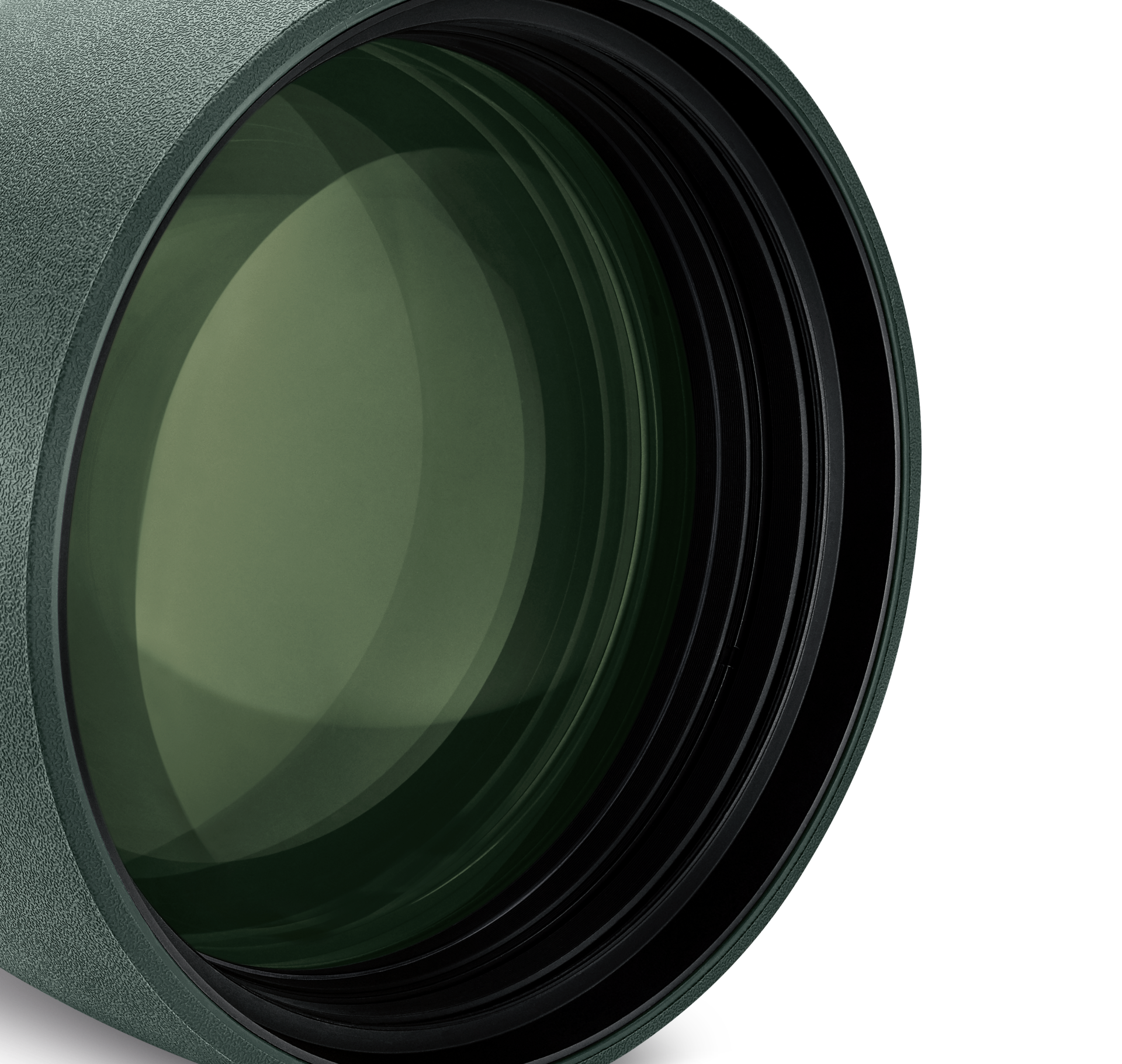
The Z8i 2.3-18x56 offers maximum optical performance for demanding hunts in difficult lighting conditions. The revised handling ensures even more comfortable use – even during long periods of sitting.


Recommended by our experts:


This product is not available in our online store.


What to consider when choosing your riflescope
 Light transmission
 This describes the amount of visible light that can pass through an optical system and is expressed as a percentage. The objective lens diameter specifies how much light can enter the optics. This makes it a key factor in an instrument’s performance, for example, in twilight. The bigger the objective lens diameter, the more light the objective lens can capture. The darker the surroundings, the larger the objective lens diameter needs to be. Check the precise product name as the number after the ‘x’ specifies the objective lens diameter in millimeters. A device with a suffix of 2-16x50, for example, has an objective lens with a diameter of 50 mm.
 Magnification
 The magnification specifies how much closer an object appears to be. The higher the magnification, the closer the object appears and the smaller the field of view. Rifle scopes usually have variable magnification (zoom), e.g. 2-16x. This means it is possible to zoom continuously from 2x to 16x magnification.
 Impact point adjustment
To always be able to aim at the sighting point from different distances, the reticle is adjusted so that the impact point matches the aiming point. The aiming point is the point on the object you want to target. The reticle adjustment in the turrets on the rifle scope is operated using the click settings. Each click changes the impact point.
 Adjustment range
 The adjustment range describes the range within which you can correct the impact point by adjusting the reticle without moving the device. The adjustment range is specified in relation to both the elevation and the windage adjustment.
Depending on the model, the adjustment range is indicated in different units: either as a linear value (m/100 m or in/100 yd) or as an angular measurement in MRAD or MOA. This gives you the flexibility to choose the system you prefer.
Light transmission This describes the amount of visible light that can pass through an optical system and is expressed as a percentage. The objective lens diameter specifies how much light can enter the optics. This makes it a key factor in an instrument’s performance, for example, in twilight. The bigger the objective lens diameter, the more light the objective lens can capture. The darker the surroundings, the larger the objective lens diameter needs to be. Check the precise product name as the number after the ‘x’ specifies the objective lens diameter in millimeters. A device with a suffix of 2-16x50, for example, has an objective lens with a diameter of 50 mm.
- Z8i 2.3-18x56 riflescope
- Microfiber cloth
- 1 TL+ magnification lever, black
- Battery / Replacement battery
- Torx wrench
- Screw
Optimal visibility when hunting in difficult lighting conditions
Outstanding image quality at dusk
The large 56 mm objective lens diameter ensures razor-sharp images, even in the deepest twilight.
Optimized handling
The redesigned cockpit design allows intuitive and quick operation in any situation.
Precision over long distances
With 18x magnification, the Z8i 2.3-18x56 is also suitable for precise shots at long distances.
Reticle
Available with 4A-I, 4W-I, and BRX-I reticles for versatile applications.
Technical specification
 4A-I
4A-I BRX-I
BRX-I 4W-I
4W-ICompare products
 Z8i 2,3-18x56 P
Downloads
Reviews
- 1
- 0
- 0
- 0
- 0
feedback, satisfaction with the product
Customer ServiceMO - TH 8:00 - 17:00 AND FR 8:00 - 12:0000800 3242 5056customerservice@swarovskioptik.com