






In the heart of Costa Rica’s rainforests, a quiet but powerful conservation movement is taking shape. At its center is Dr. Rebecca Cliffe, founder of the Sloth Conservation Foundation (SloCo) and one of the world’s leading voices for sloth protection. Her work combines science, community engagement, and advocacy to safeguard these unique creatures and the ecosystems they depend on. We sat down with Rebecca to learn more about her journey, challenges, and vision for the future.

Founder of the Sloth Conservation Foundation
Dr. Rebecca Cliffe
Dr. Rebecca Cliffe is a conservation biologist and founder of The Sloth Conservation Foundation (SloCo) in Costa Rica. Since 2009, she has dedicated her career to understanding and protecting sloths through research-driven conservation, community engagement, and policy change. At SloCo, she leads the world’s longest-running study on sloth ecology, spearheads the first global sloth population census, and works with local communities to restore and reconnect fragmented forests. Rebecca is passionate about turning science into action and developing innovative, community-led conservation models that protect wildlife and inspire change worldwide.
What first inspired your passion for nature, wildlife, and sloths?
I have always loved animals and being outdoors, but my passion for sloths began during a research placement at a rescue center in Costa Rica when I was 18. This was the first time I had ever seen a sloth up close, and I was instantly hooked. I think it was a mix of their biological uniqueness, how little was known about them, their vulnerability, and their surprisingly inspiring “slow” way of life. Something clicked in that moment, and I knew I wanted to spend the rest of my life trying to understand and protect them. Fast forward 17 years… and here we are!
Can you share the moment or experience that motivated you to dedicate your life to conservation?
I think I knew from the moment I met my first sloth, but the turning point came later as I watched the same heartbreaking patterns repeat every day. Sloths were being electrocuted, attacked by dogs, hit by cars, and orphaned after deforestation. All caused by humans, and all going undocumented on an international scale. I realized that while rescue work was important, it wasn’t enough. We had to tackle the root causes, restore rainforest, engage communities, and reduce human-wildlife conflict, while showing the world there was a problem. That was when I knew this wasn’t just research anymore; it was my life’s purpose.
What challenges have you faced, and how did you overcome them?
In the early years, my biggest challenges were isolation, funding, and self-doubt. I spent six years living alone in the Costa Rican jungle without income, electricity, or even speaking the language. It was mentally and physically exhausting, I was lonely, unsure of my future, and ended up with a flesh-eating parasite that required chemotherapy. What kept me going was my belief in the importance of this work. I learned to be resourceful, crowdfunded my PhD, and built partnerships from scratch. Every setback taught me resilience, adaptability, and the power of persistence. These skills that have been very helpful in leading and growing a nonprofit organization in the years since!
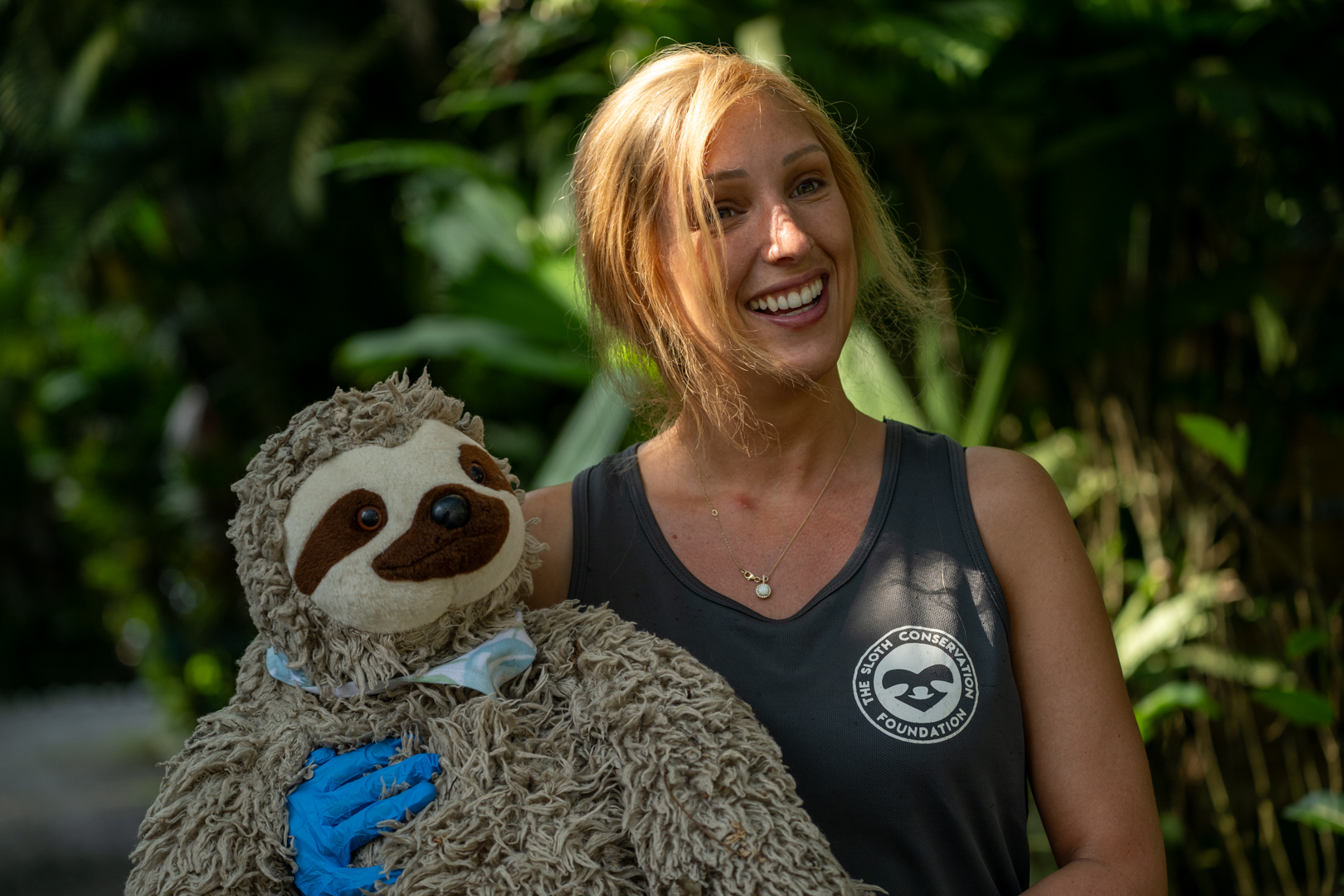
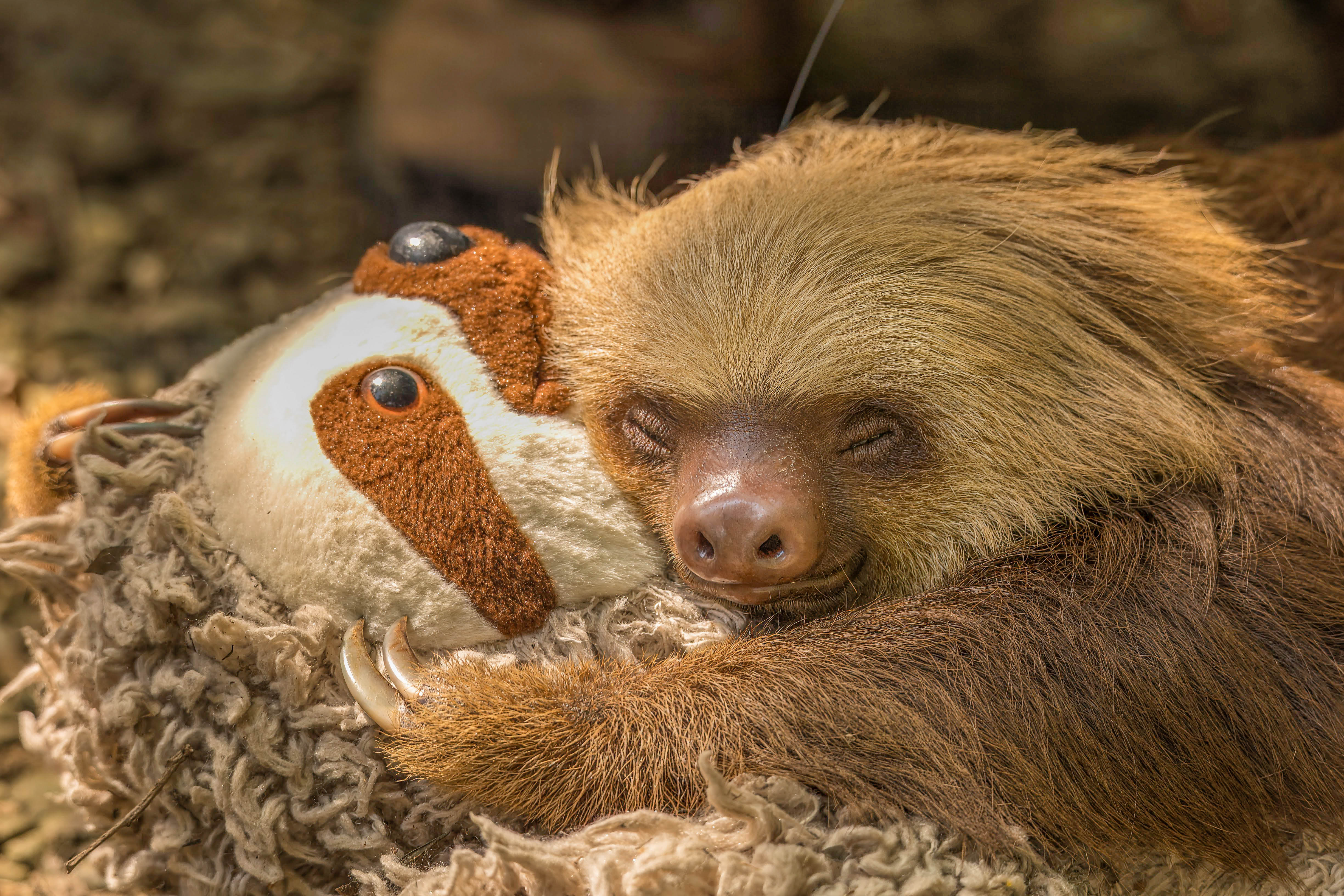
Can you describe a moment when you realized your work was making a real difference?
One of the most powerful moments for me was watching a mother sloth and her baby safely cross one of our newly installed wildlife bridges for the first time. These simple rope structures help wildlife move safely through disturbed areas. Since launching the project, we’ve installed 370 bridges, reconnecting over 8,000 hectares of fragmented forest in Costa Rica. Camera traps have recorded 1,041 crossings by 21 different species, and we have seen an incredible 82% reduction in wildlife conflict reports in target areas. Seeing the impacts on both wildlife and local communities has proved to me that species protection doesn’t have to begin at scale. It can start in a small patch of forest, led by the people who live there, and grow into something with global relevance.
Who or what do you consider your greatest source of inspiration?
Sloths themselves inspire me every single day. They are defying the odds, surviving in a world that values speed and constant growth; and they do it by doing almost nothing. In a society where everyone is trying to do more, be more, and have more (and burning out in the process), sloths are a powerful reminder to slow down, be present, and value the small, simple things.
What do you wish more people understood about conservation work?
That conservation isn’t just about saving animals, it’s about people, too. Protecting species like sloths means working together with local communities to tackle the root causes of habitat loss and human-wildlife conflict. It’s about finding solutions where people and nature can coexist peacefully. I also wish more people understood that conservation isn’t a distant issue happening “somewhere else.” Every choice we make, what we buy, what we eat, where we travel, has an impact. We are all connected, and we all have the power to make a difference every single day.
How do you stay motivated during difficult times?
I stay motivated by focusing on the wins, no matter how small. Whether it’s watching a sloth use one of our wildlife bridges, seeing trees we planted now growing taller than me, or hearing positive feedback from the local community, those moments remind me why this work matters. I’ve learned that real change takes time. Meaningful impact often happens slowly, just like the sloths themselves! Having an incredible team and a supportive community around me also gives me strength and keeps me hopeful, even on the hardest days when everything is going wrong.
What advice would you give to young people wanting to follow in your footsteps?
Don’t wait for opportunities, create them. Start small, volunteer, and immerse yourself in learning as much as you can. Be prepared to work hard and step outside your comfort zone; conservation often requires sacrifices, but the rewards are worth it. Build relationships and collaborate with local communities, because conservation is as much about people as it is about wildlife. Most importantly, don’t be afraid to take risks. Sometimes the boldest leaps lead to the most life-changing opportunities.
If you could change one thing about how society approaches conservation, what would it be?
I would shift the focus from reactive solutions to proactive ones. Too often, conservation only kicks in once species are already endangered. We need to prioritize prevention: protecting ecosystems before they collapse, investing in community-led conservation, and embedding biodiversity into development planning. By valuing nature as essential to human well-being, rather than an afterthought, we can tackle the root causes of biodiversity loss instead of constantly treating the symptoms.
What legacy do you hope to leave for future generations?
One of my biggest goals is to reassess the population status of sloths, so they are no longer assumed to be healthy and thriving simply because of a lack of data. If I can secure both the legal protections and the scientific knowledge needed to empower future generations of conservationists to protect them, I will consider my life’s work a success. I hope to leave behind a world where sloths are celebrated, valued, and respected, recognized as a species with the same right to exist and access the resources they need to survive as humans. But beyond sloths, I hope to inspire a broader shift in how people see conservation: not as the responsibility of scientists alone, but as a shared duty. If future generations grow up knowing that small actions matter, that communities have power, and that nature is worth protecting, then I’ll know I’ve left a meaningful legacy.
Why do you choose SWAROVSKI OPTIK binoculars, and how have they helped you?

Founder of the Sloth Conservation Foundation
Dr. Rebecca Cliffe
As a sloth scientist, a good pair of binoculars is arguably the most important tool in my field bag. Sloths spend most of their lives high in the rainforest canopy and are world champions at hide-and-seek (their camouflage really is extraordinary). Having binoculars that strike the perfect balance between magnification and brightness is essential for confirming that what I’m looking at is actually a sloth… rather than a bird’s nest or coconut (both of which I’ve accidentally spent hours collecting data on before realizing my mistake). We also need to identify individual animals, which means being able to distinguish tiny details like scars, fur patterns, or the shape of a nose, which is an almost impossible task without exceptional optics. After 17 years of fieldwork in the jungle, I have gone through countless pairs of binoculars, and I can confidently say that nothing compares to SWAROVSKI OPTIK. They are lightweight, sharp, and have really helped to transform my work (plus they look great too)!
Thank you for your time and for sharing your insights with us!


The Sloth Census
SWAROVSKI OPTIK Rainforest
Rebecca and her team conducted the first-ever sloth census in the SWAROVSKI OPTIK rainforest on Costa Rica’s Osa Peninsula in 2025, a groundbreaking step toward understanding and protecting sloth populations. This data will shape conservation strategies, identify priority areas for reforestation, and strengthen environmental protections across the country. At SWAROVSKI OPTIK, we are proud to support this mission and celebrate Rebecca and her team as true conservation heroes.
